
Can sun shade fabric be used for awnings in windy areas?
As a supplier of high - quality sun shade fabrics, I am often asked whether our sun shade fabrics are suitable for awnings in windy areas. This is a crucial question, as the performance of awnings in windy conditions can significantly impact their functionality, durability, and safety.
Understanding the Challenges of Windy Areas
Windy areas present unique challenges for awnings. Strong winds can exert substantial force on awnings, causing them to flap, tear, or even be completely ripped off their mounts. The constant stress from wind movement can also lead to premature wear and tear of the fabric and the supporting structure. In addition, wind - borne debris such as dust, sand, and small branches can cause abrasions and damage to the sun shade fabric.
Characteristics of Sun Shade Fabric
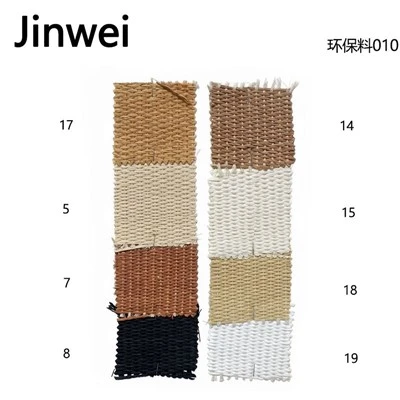
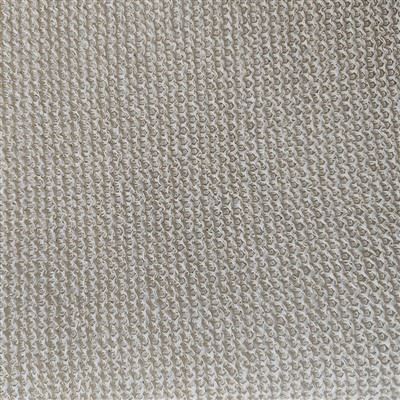
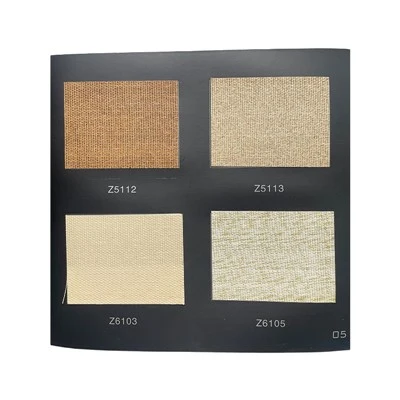
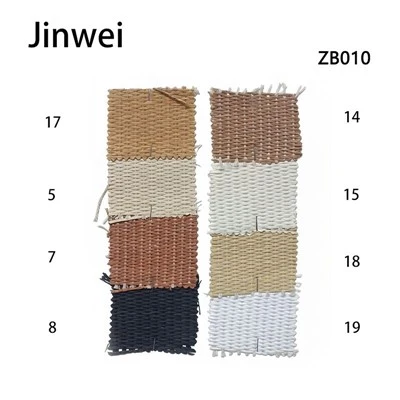
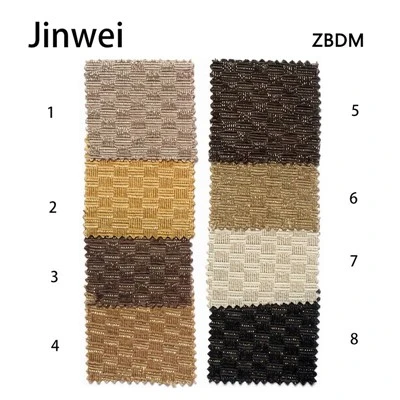
Our sun shade fabrics are engineered with several features that make them potentially suitable for use in windy areas. Firstly, they are made from high - strength materials. Most of our fabrics are constructed from synthetic fibers like polyester or polypropylene, which have excellent tensile strength. This means they can withstand a significant amount of pulling force without breaking. For example, our Sunshade Fabric is woven with tightly - packed fibers that enhance its resistance to stretching and tearing.
Secondly, our sun shade fabrics have a specific weave design. The tight weaves not only provide better sun protection but also help to reduce the wind load. When the wind blows through the fabric, the tight weave creates a degree of turbulence, which disperses the wind force more evenly across the surface of the fabric. This design reduces the chances of concentrated stress points that could lead to fabric failure.
Thirdly, our fabrics are treated with special coatings. These coatings not only enhance the fabric's resistance to UV rays, water, and mildew but also increase its abrasion resistance. This is particularly important in windy areas where the fabric may come into contact with debris carried by the wind.
Installation and Structural Support
However, the suitability of sun shade fabric for awnings in windy areas also depends on proper installation and a robust structural support system. A well - installed awning is essential to ensure its stability. The awning should be securely attached to a solid and stable structure, such as a building wall or a sturdy frame. Adequate tensioning of the fabric during installation is crucial to prevent flapping in the wind.
In addition, the structural support system should be designed to handle the wind loads. For larger awnings, additional support brackets or pylons may be required. The design of the support system should take into account the local wind conditions, including the average wind speed, gusts, and wind direction.
Case Studies and Testing
We have conducted numerous tests on our sun shade fabrics in simulated windy conditions. In these tests, we exposed our fabrics to different wind speeds and directions, and closely monitored their performance. The results have shown that our Fly Mesh Roller Blinds and Sunscreen Roll Up Shades can withstand moderate to strong winds without significant damage.


In real - world applications, we have also received positive feedback from customers in windy areas. For example, a beachfront café installed our sun shade fabric awnings and reported that they have endured the strong coastal winds for several seasons without any major issues. The fabric's ability to maintain its shape and functionality has saved the café from frequent replacement costs.
Limitations and Considerations
It is important to note that while our sun shade fabrics are designed to handle windy conditions, there are still limitations. In extremely windy areas with hurricane - level winds, additional precautions may be necessary. For example, the awnings may need to be retracted during severe weather events to prevent damage.
Moreover, the lifespan of the sun shade fabric in windy areas may be affected. The constant exposure to wind and debris can cause gradual wear and tear, reducing the fabric's overall lifespan. Regular inspection and maintenance, such as cleaning and repairing minor damages, are essential to ensure the long - term performance of the awnings.
Conclusion
In conclusion, sun shade fabric can be used for awnings in windy areas, provided that the fabric has the right characteristics, is properly installed, and is supported by a robust structural system. Our sun shade fabrics offer many advantages in terms of strength, wind - load distribution, and durability. However, it is important to consider the local wind conditions and take appropriate precautions to ensure the safe and long - term use of the awnings.
If you are considering using sun shade fabric for awnings in a windy area, I encourage you to get in touch with us for more information. We can provide expert advice on fabric selection, installation, and maintenance. Whether you are a homeowner, a business owner, or an architect, we are here to help you find the best sun shade fabric solution for your needs.
References
- ASTM International. (20XX). Standard test methods for fabrics used in architectural awnings and side curtains.
- Manufacturer's technical data sheets and research reports on sun shade fabric performance under various conditions.