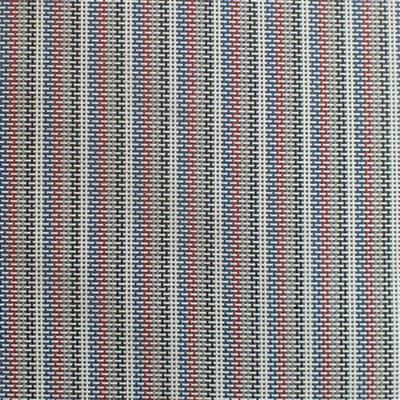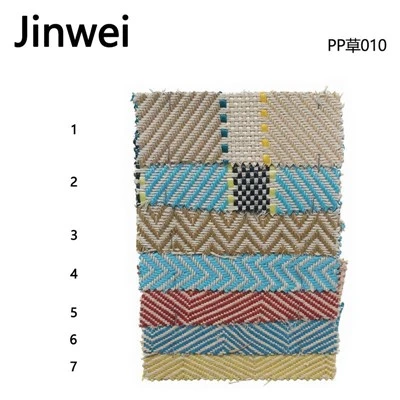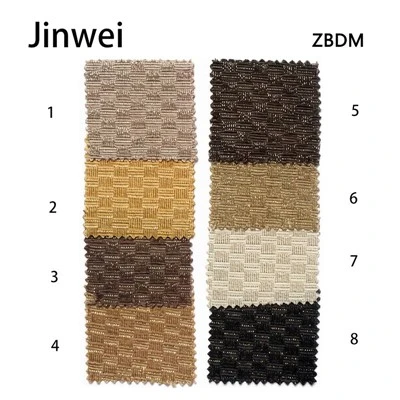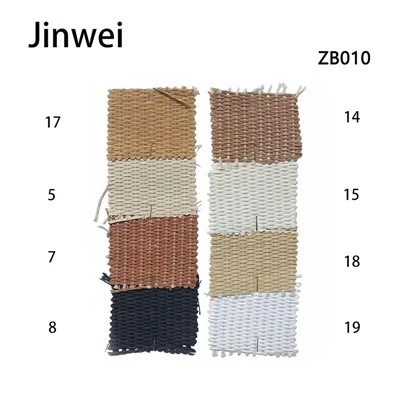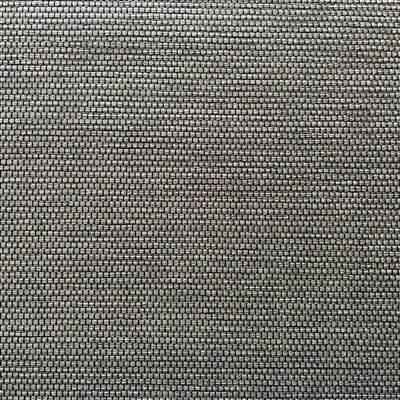

Colorful woven paper fabric is a versatile and attractive material that finds its use in various applications, from artistic handicrafts to home decor. Its vibrant colors and unique texture add a special charm to any project. However, one common issue that many users face with this type of fabric is fraying. As a supplier of Colorful Woven Paper Fabric, I understand the importance of preventing fraying to ensure the longevity and aesthetic appeal of the product. In this blog, I'll share some effective methods to prevent colorful woven paper fabric from fraying.
Understanding the Structure of Woven Paper Fabric
Before delving into prevention methods, it's crucial to understand how woven paper fabric is constructed. Just like traditional textile fabrics, woven paper fabric is created by interlacing two sets of fibers: the warp (lengthwise fibers) and the weft (crosswise fibers). The point where these fibers meet is a potential weak spot where fraying can start. The paper used in woven paper fabric is often more delicate than fabric made from natural or synthetic fibers, making it more prone to fraying when exposed to friction, cutting, or improper handling.
Pre - Cutting Precautions
- Choose the Right Tools: When cutting colorful woven paper fabric, using the appropriate tools is essential. Dull scissors or knives can cause uneven cuts and damage the fibers, increasing the likelihood of fraying. Invest in a pair of sharp fabric scissors or a craft knife with a fresh blade. Make sure the cutting surface is clean and smooth to ensure a precise cut.
- Marking and Measuring: Accurate marking and measuring can help you make clean cuts. Use a ruler or a measuring tape and a fabric marker to mark the areas you need to cut. Avoid making multiple cuts or rough handling during the marking process, as this can also cause the fibers to loosen.
Post - Cutting Treatments
- Sealing the Edges with Glue: One of the simplest and most effective ways to prevent fraying is to seal the edges of the fabric with glue. You can use a clear, fast - drying craft glue such as school glue diluted slightly with water or a fabric - specific adhesive. Apply a thin layer of glue along the cut edge using a small brush or a toothpick. Make sure to cover all the loose fibers. Let the glue dry completely. You can find more details about different types of woven paper fabric, including those suitable for this treatment, on our Woven Paper Fabric page.
- Applying Heat - Seal Tape: Heat - seal tape is another good option for preventing fraying. This type of tape has an adhesive that activates when heat is applied. Place the tape along the cut edge of the fabric and use a hot iron set on a low - heat setting. Gently press the iron over the tape, moving it slowly to ensure the adhesive bonds properly with the fabric. This method is especially useful for projects where you need a more durable edge finish.
- Using a Serging Machine: If you have access to a serging machine, it can be a great tool for finishing the edges of your woven paper fabric. A serging machine trims the edge of the fabric and sews a zig - zag stitch at the same time, securing the fibers and preventing fraying. However, be sure to adjust the machine settings according to the delicacy of the paper fabric.
Storage and Handling
- Proper Storage: How you store your colorful woven paper fabric can also affect its tendency to fray. Keep the fabric rolled or folded neatly in a cool, dry place. Avoid storing it in areas with high humidity or extreme temperature changes, as this can weaken the paper fibers. You can use Storage Boxes Woven Paper Fabric to protect your fabric from dust, scratches, and other potential damages during storage.
- Gentle Handling: When using the fabric in your projects, handle it with care. Avoid pulling or tugging on the edges forcefully. If you need to manipulate the fabric, do it gently to prevent the fibers from coming loose.
Specialized Coatings
- Coated Woven Paper Fabric: As a supplier, we offer Coated Woven Paper Fabric which has an extra layer of coating on the surface. This coating not only enhances the fabric's resistance to fraying but also provides additional protection against moisture, stains, and UV rays. The coating can be made of various materials such as acrylic, polyurethane, or wax, depending on the specific application requirements.
- DIY Coating: If you have uncoated woven paper fabric, you can create a DIY coating to prevent fraying. You can use a thin layer of clear nail polish or a fabric spray sealant. Apply the coating evenly on both sides of the cut edge, making sure to cover all the fibers. Let it dry thoroughly before using the fabric.
Fray - Resistant Weaving Techniques
- Tight Weaving: When the fabric is being woven, a tight - weave structure can significantly reduce the risk of fraying. Tightly woven fibers are more resistant to coming loose, as they are held together more securely. As a supplier, we take great care in the production process to ensure that our colorful woven paper fabric has a well - constructed weave.
- Edge Weaving: Some weaving techniques incorporate special edging patterns that help to lock in the fibers at the edges. For example, finishing the edges with a double - weave or a reinforced stitch can create a more stable border and prevent fraying.
Testing Your Prevention Methods
Before starting a large - scale project, it's a good idea to test your chosen fraying prevention method on a small piece of the fabric. Cut a sample piece from your roll of colorful woven paper fabric and apply the treatment, be it glue, heat - seal tape, or a coating. Then, gently tug at the edges to see if the fibers are holding together. If the prevention method seems effective, you can proceed confidently with your project.
For Projects with Moving Parts
If you're using the woven paper fabric in a project where it will be subject to movement, such as in Roller Shade Woven Paper Fabric or Woven Paper Shade Fabric, additional precautions are necessary. In addition to edge treatments, make sure the fabric is properly tensioned and supported. Avoid sharp corners or rough surfaces that could cause the fabric to rub and fray.
Conclusion
Preventing fraying in colorful woven paper fabric is a combination of proper cutting techniques, post - cutting treatments, correct storage, and sometimes the use of specialized coatings or weaving methods. By following these guidelines, you can ensure that your woven paper fabric projects look great and last a long time.
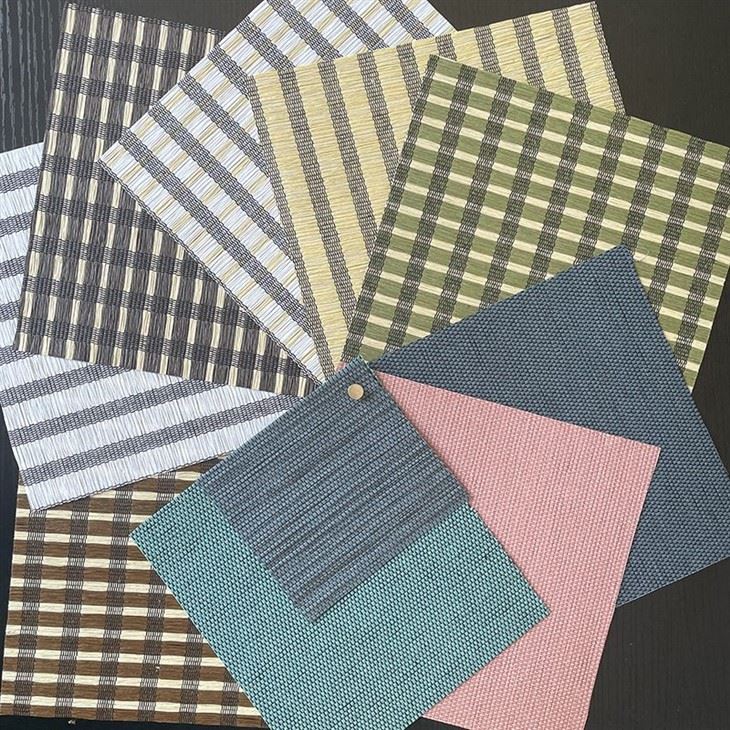
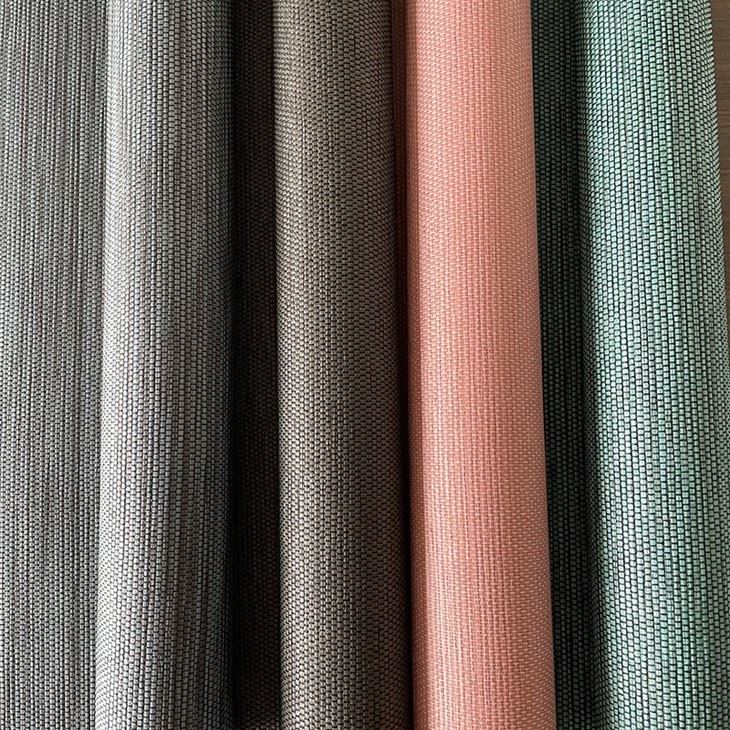
As a supplier of high - quality Colorful Woven Paper Fabric, we are committed to providing you with the best products and advice. If you are interested in purchasing our woven paper fabric, or if you have any questions about preventing fraying or using our products in your projects, please feel free to contact us. We are more than happy to assist you in finding the right solution for your needs.
References
- "Textile Science: Principles and Applications" by Jill A. Schermerhorn
- "Handmade Paper Crafts: Techniques and Inspiration" by Charlotte Haseler