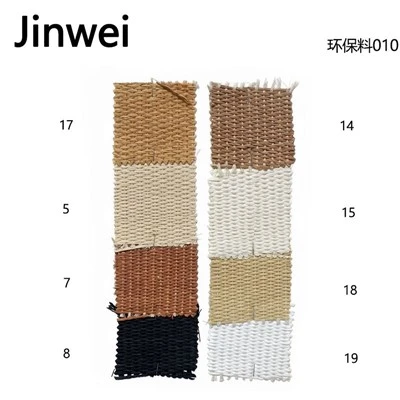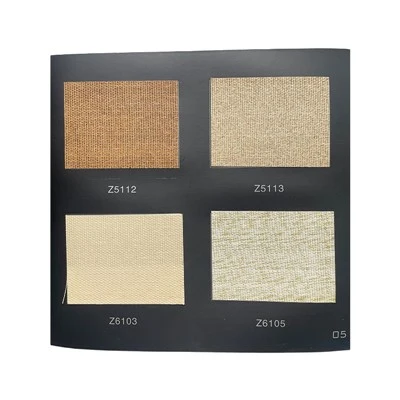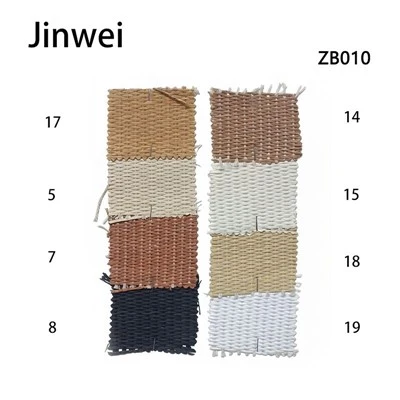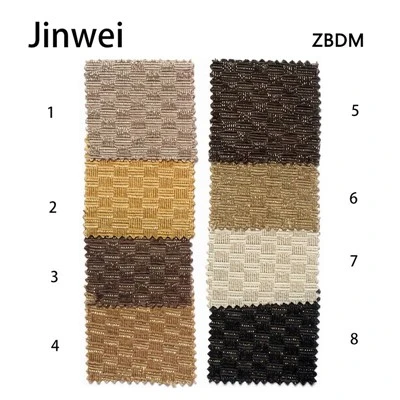

Hey there! As a supplier of Monofilament Woven Paper Fabric, I'm super stoked to chat with you about one of the most crucial aspects of our product: color fastness.
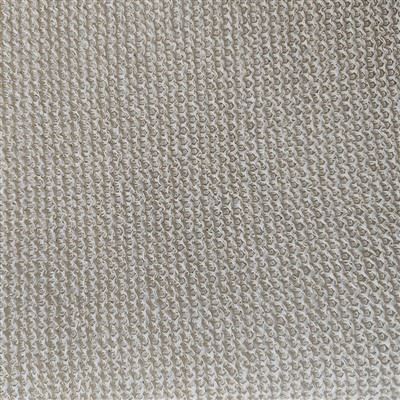
First off, let's get into what Monofilament Woven Paper Fabric is. It's a unique material that combines the best of paper and fabric characteristics. You can check out more about it on our website Monofilament Woven Paper Fabric. This fabric is made by weaving monofilaments, which gives it a distinct look and feel. It's used in a variety of applications, from home decor to industrial uses.
Now, onto color fastness. Color fastness refers to the ability of a fabric to retain its color when exposed to different conditions like washing, sunlight, friction, and chemicals. For Monofilament Woven Paper Fabric, color fastness is a big deal. No one wants their beautiful fabric to fade or change color after a short period of use, right?
Factors Affecting Color Fastness
There are several factors that can affect the color fastness of Monofilament Woven Paper Fabric.
1. Dye Quality
The quality of the dye used is one of the most significant factors. High - quality dyes are formulated to have better adhesion to the monofilaments, which means they're less likely to fade. When we're producing our fabric, we make sure to use top - notch dyes. This ensures that the colors stay vibrant for a long time.
2. Fabric Treatment
The treatment of the fabric also plays a role. Some treatments can enhance the dye's ability to bond with the monofilaments. For example, certain chemical treatments can create a more stable environment for the dye, increasing color fastness. We've developed our own unique treatment processes to improve the color fastness of our Monofilament Woven Paper Fabric.
3. Environmental Conditions
Exposure to sunlight, moisture, and chemicals can all impact color fastness. Sunlight, in particular, is a major culprit. Ultraviolet (UV) rays can break down the dye molecules, causing the color to fade. That's why if you're using our fabric in an area with a lot of sunlight, like a window treatment, you might want to consider a fabric with higher color fastness.
Testing Color Fastness
We take color fastness seriously, and that's why we conduct a series of tests on our Monofilament Woven Paper Fabric.
1. Wash Fastness Test
In this test, we wash the fabric multiple times under controlled conditions. We use a standard washing machine and a specific detergent. After each wash, we check the fabric for color loss. If the color doesn't change significantly after a certain number of washes, we consider it to have good wash fastness.
2. Light Fastness Test
To test light fastness, we expose the fabric to artificial sunlight for a set period. We use a machine that mimics the UV rays in sunlight. By comparing the color of the fabric before and after the exposure, we can determine how well it resists fading.
3. Rubbing Fastness Test
This test involves rubbing the fabric against a standard material. We use a specific rubbing machine to apply a certain amount of pressure and friction. After rubbing, we check for any color transfer onto the rubbing material. If there's minimal color transfer, the fabric has good rubbing fastness.
Color Fastness in Different Applications
Our Monofilament Woven Paper Fabric is used in various applications, and the required color fastness can vary.
1. Furnishing Woven Paper Fabrics
For Furnishing Woven Paper Fabrics, like curtains or upholstery, color fastness is essential. These fabrics are often exposed to sunlight and regular use. We make sure that our furnishing fabrics have high color fastness so that they maintain their appearance over time.
2. Coated Woven Paper Fabric
Coated Woven Paper Fabric is used in applications where the fabric needs to be more durable. The coating can sometimes enhance color fastness by providing an extra layer of protection. However, we still conduct thorough tests to ensure that the color remains stable.
3. Roller Shade Woven Paper Fabric
Roller Shade Woven Paper Fabric is constantly exposed to sunlight. So, it requires excellent light fastness. Our roller shade fabrics are designed to resist fading even after long - term exposure to the sun.
Benefits of Good Color Fastness
Having good color fastness in our Monofilament Woven Paper Fabric comes with several benefits.
1. Aesthetic Appeal
Fabrics with good color fastness look great for a long time. Whether it's a bright, bold color or a subtle, neutral tone, the colors stay true. This enhances the overall aesthetic of any space where the fabric is used.


2. Durability
When the color doesn't fade easily, the fabric lasts longer. You don't have to replace it as often, which is not only cost - effective but also more environmentally friendly.
3. Customer Satisfaction
Our customers are happy when they see that the fabric they've purchased maintains its color. This leads to repeat business and positive word - of - mouth, which is super important for our business.
How We Ensure High Color Fastness
As a supplier, we take several steps to ensure that our Monofilament Woven Paper Fabric has high color fastness.
1. Quality Control
We have a strict quality control process in place. Every batch of fabric is tested for color fastness before it leaves our facility. If a batch doesn't meet our standards, we don't sell it.
2. Research and Development
We're constantly investing in research and development to improve our fabric's color fastness. We work with experts in the field to find new dyes and treatment methods that can enhance color stability.
3. Customer Feedback
We listen to our customers' feedback. If they notice any issues with color fastness, we take it seriously and work to address it. This helps us to continuously improve our products.
Conclusion
Color fastness is a key feature of our Monofilament Woven Paper Fabric. It affects the fabric's appearance, durability, and customer satisfaction. We're committed to providing high - quality fabric with excellent color fastness. If you're in the market for Woven Paper Fabric, we'd love to have a chat with you about your specific needs. Whether you're a designer, a manufacturer, or just someone looking for a unique fabric, we can help you find the perfect solution. Don't hesitate to reach out to us for more information or to start a procurement discussion.
References
- Textile Testing Handbook, Third Edition, by Brian A. Brook
- Handbook of Textile and Industrial Dyeing, Volume 1: Principles, Processes and Types of Dyes, edited by M. Lewis