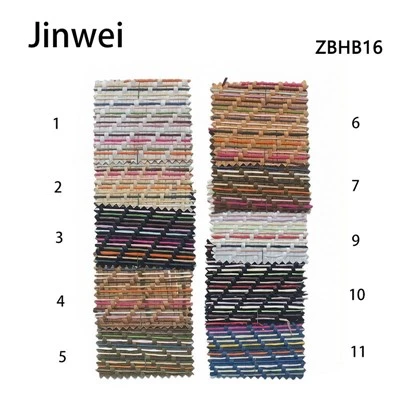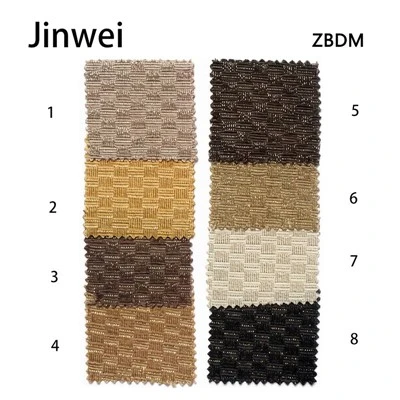

When it comes to outdoor furniture, decorative items, or storage solutions, PP cross weaving fabric stands out as a popular choice. As a leading supplier of PP Straw Woven Fabric, Pp Hdpe Woven Fabric, Cross-Weave PP Straw Fabric, PP Woven Fabric for Storage Boxes, and Pp Laminated Woven Fabric, I understand the importance of keeping these fabrics clean and well - maintained. In this blog post, I'll share some effective methods to clean stains on PP cross weaving fabric.
Understanding PP Cross Weaving Fabric
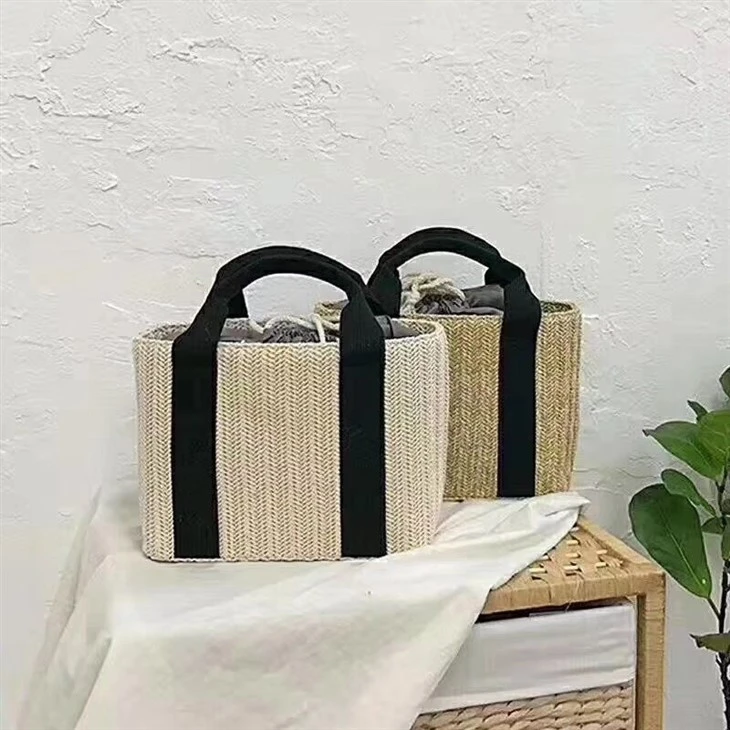
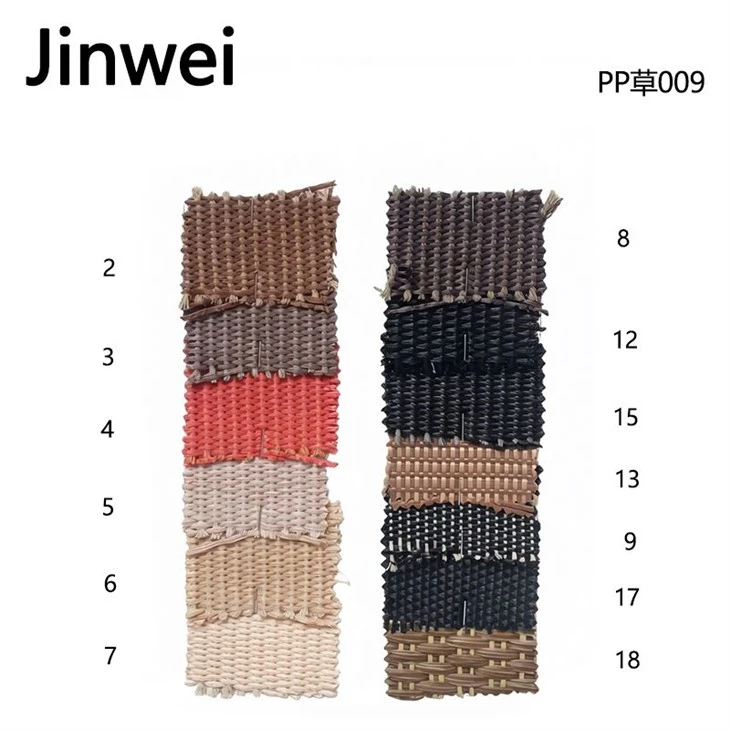
PP cross weaving fabric is made from polypropylene, a thermoplastic polymer. It is known for its durability, resistance to moisture, and relatively low cost. The cross - weaving pattern gives it strength and stability, making it suitable for a wide range of applications. However, like any fabric, it can get stained over time. Common stains on PP cross weaving fabric include dirt, food stains, oil stains, and mildew.
General Cleaning Steps
Before dealing with specific stains, it's important to follow some general cleaning steps. First, start by removing loose dirt and debris. You can use a soft - bristle brush or a vacuum cleaner with a brush attachment to gently sweep or vacuum the fabric. This will prevent the dirt from being ground further into the fabric during the cleaning process.
Next, prepare a cleaning solution. A mixture of mild dish soap and warm water is usually a good choice for general cleaning. Fill a bucket with warm water and add a small amount of dish soap, then stir gently to create a soapy solution.
Cleaning Different Types of Stains
1. Dirt and Dust Stains
Dirt and dust are the most common stains on PP cross weaving fabric, especially if it's used outdoors. After removing the loose dirt as mentioned above, dip a clean, soft cloth or a sponge into the soapy water solution. Wring out the excess water so that the cloth is just damp. Gently wipe the stained areas of the fabric, working in small circular motions.
Rinse the cloth or sponge frequently in clean water to avoid spreading the dirt. Once you've cleaned the entire stained area, use a clean, damp cloth to wipe away the soap residue. Allow the fabric to air dry completely in a well - ventilated area. Avoid direct sunlight, as it might cause the fabric to fade.
2. Food Stains
Food stains can vary in terms of their composition and how difficult they are to remove. For water - based food stains like juice or coffee, start by blotting the stain with a clean, dry cloth as soon as possible. This will absorb as much of the liquid as possible.
Then, apply the soapy water solution to the stain. Use a soft brush to gently scrub the stain, being careful not to damage the fabric. If the stain persists, you can try using a mixture of equal parts white vinegar and water. Apply the vinegar solution to the stain, let it sit for a few minutes, and then scrub gently again. Rinse thoroughly with clean water and allow the fabric to dry.
For oil - based food stains, such as grease or butter, sprinkle a small amount of baking soda on the stain. Baking soda is known for its ability to absorb oil. Let the baking soda sit on the stain for about 15 - 20 minutes, then brush it off. Follow up with the soapy water cleaning method described above.
3. Oil Stains
Oil stains can be particularly stubborn, but there are several ways to remove them. One effective method is to use a degreaser. You can purchase a commercial degreaser or make a homemade one by mixing equal parts of dish soap and rubbing alcohol.
Apply the degreaser to the oil stain and let it sit for a few minutes. Then, use a soft brush to scrub the stain gently. Rinse the area thoroughly with clean water to remove the degreaser and the loosened oil. If the stain is still visible, you may need to repeat the process.
Another option is to use cornstarch. Sprinkle a thick layer of cornstarch over the oil stain and let it sit for several hours or overnight. The cornstarch will absorb the oil. Brush off the cornstarch and then clean the area with the soapy water solution.
4. Mildew Stains
Mildew is a common problem, especially in damp or humid environments. To clean mildew stains on PP cross weaving fabric, start by mixing a solution of one part bleach and three parts water in a well - ventilated area. Make sure to wear gloves to protect your hands.
Dip a sponge or a cloth into the bleach solution and gently apply it to the mildew - stained areas. Let the solution sit on the fabric for about 5 - 10 minutes. Then, use a soft brush to scrub the stains. Rinse the fabric thoroughly with clean water to remove all traces of the bleach solution.
It's important to note that bleach can cause discoloration, so it's a good idea to test the solution on a small, inconspicuous area of the fabric first. If you prefer a more natural alternative, you can use a mixture of lemon juice and salt. Apply the mixture to the mildew stains, let it sit for a while, and then scrub and rinse.
Special Considerations
- Fabric Finish: Some PP cross weaving fabrics may have a special finish. Before using any cleaning method, check the manufacturer's instructions. Certain finishes may require specific cleaning products or techniques to avoid damage.
- Colorfastness: Test any cleaning solution on a small, hidden area of the fabric to ensure that it doesn't cause color bleeding or fading. This is especially important when using strong cleaning agents like bleach.
- Drying: As mentioned earlier, allow the fabric to air dry in a well - ventilated area. Avoid using a dryer, as the high heat can damage the fabric and cause it to shrink or warp.
Maintaining the Cleanliness of PP Cross Weaving Fabric
Regular maintenance can prevent stains from becoming a major problem. Here are some tips to keep your PP cross weaving fabric clean:
- Cover the Fabric: If the fabric is used outdoors, consider using a cover when it's not in use. This will protect it from dirt, dust, and the elements.
- Clean Spills Immediately: As soon as a spill occurs, blot it up with a clean cloth. The longer the stain sits, the harder it will be to remove.
- Periodic Cleaning: Even if there are no visible stains, it's a good idea to give the fabric a gentle cleaning every few months to keep it looking fresh.
Conclusion
Cleaning stains on PP cross weaving fabric doesn't have to be a difficult task. By understanding the type of stain and using the appropriate cleaning methods, you can keep your fabric looking clean and new for a long time. As a supplier of high - quality PP cross weaving fabrics, I'm always here to provide you with the best products and advice. If you're interested in purchasing our fabrics for your projects, whether it's for outdoor furniture, storage boxes, or decorative items, feel free to contact me for further details and to start a procurement discussion.
References
- "Textile Cleaning Handbook" by John Smith
- "Polypropylene Fabric Care Guide" published by the Textile Research Institute