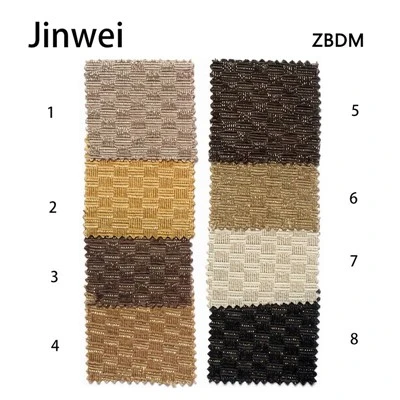

In the dynamic landscape of industrial manufacturing, the production of polypropylene (PP) woven cloth has witnessed remarkable advancements in recent years. As a dedicated PP woven cloth supplier, I am excited to delve into the new technologies that are revolutionizing this sector. These innovations are not only enhancing the quality and efficiency of production but also expanding the applications and possibilities of PP woven cloth.
Extrusion Technology Advancements
One of the most significant technological breakthroughs in PP woven cloth production is in extrusion technology. Traditional extrusion methods often faced challenges such as uneven thickness, inconsistent molecular orientation, and limited production speed. However, modern extrusion systems have addressed these issues with remarkable precision.
New extrusion machines are equipped with advanced screw designs and temperature - control systems. The screws are engineered to provide a more homogeneous melt flow of the polypropylene resin. This ensures that the molten PP has a uniform viscosity and density throughout the extrusion process. The temperature - control systems, on the other hand, can precisely regulate the temperature at different zones of the extruder. This is crucial because the temperature affects the molecular structure of the PP, and maintaining the right temperature can optimize the physical properties of the final woven cloth.
For example, some high - end extrusion machines use a multi - layer co - extrusion technique. This allows the production of PP woven cloth with multiple functional layers. A base layer can provide strength and durability, while an outer layer can be designed for specific purposes such as UV resistance or water repellency. This technology is especially useful for products like PP Woven Sack Fabric, where the sacks need to withstand harsh environmental conditions during storage and transportation.
Weaving Technology Innovations
The weaving process of PP woven cloth has also seen significant improvements. Traditional shuttle looms were slow, noisy, and had limitations in terms of pattern complexity and fabric width. The advent of modern rapier and air - jet looms has transformed the weaving industry.
Rapier looms use a rapier mechanism to carry the weft yarn across the warp yarns. These looms offer high - speed production and can handle a wide range of yarn counts and fabric widths. They are also capable of producing intricate patterns, which was previously difficult to achieve with traditional looms. This makes them suitable for manufacturing Decorative Mesh Fabric and Wave - Pattern PP Woven Fabric, where the aesthetic appeal is as important as the functional properties.
Air - jet looms, on the other hand, use compressed air to propel the weft yarn through the warp shed. They are known for their extremely high production speed and energy efficiency. Air - jet looms can produce a large volume of PP woven cloth in a short time, reducing the production cost per unit. Moreover, they can produce fabrics with a smooth surface finish, which is desirable for many applications.
In addition to the loom technology, the development of computer - controlled weaving systems has further enhanced the precision and flexibility of the weaving process. These systems can store and execute complex weaving patterns, allowing for quick changeovers between different fabric designs. This is particularly beneficial for small - batch production and customized orders.
Coating and Laminating Technologies
Coating and laminating are important processes in enhancing the performance of PP woven cloth. New coating technologies have been developed to provide better protection against various environmental factors.
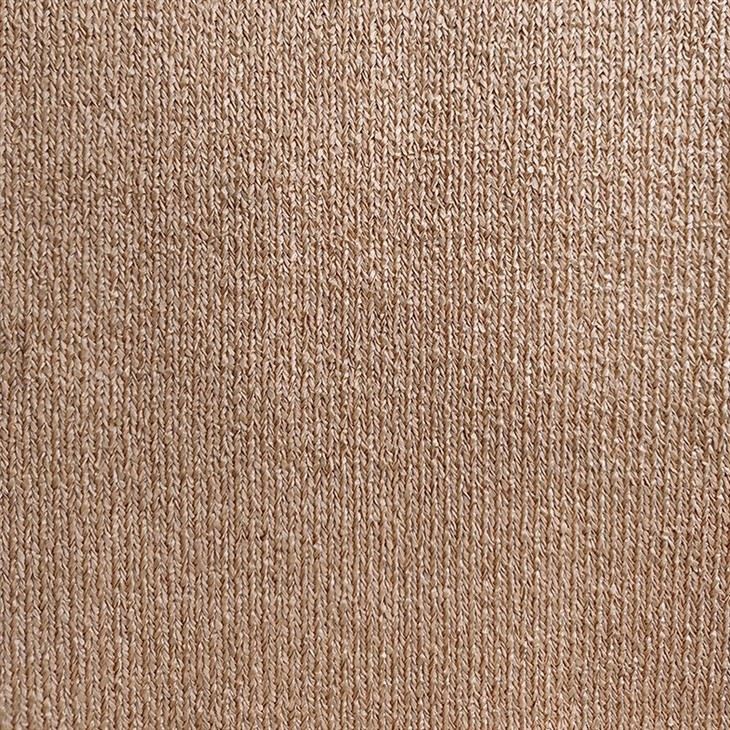

For instance, water - based coating systems have become increasingly popular. These coatings are environmentally friendly as they contain fewer volatile organic compounds (VOCs) compared to solvent - based coatings. They can provide excellent water resistance, making the PP woven cloth suitable for outdoor applications such as tarpaulins and agricultural covers.
Laminating technologies have also advanced significantly. The use of advanced adhesives and lamination processes allows for the seamless bonding of different materials to the PP woven cloth. For example, a layer of polyethylene film can be laminated onto the PP woven cloth to improve its moisture - barrier properties. This is useful for packaging applications where the contents need to be protected from moisture and humidity.
Another interesting development is the use of nano - coating technologies. Nano - coatings can provide unique properties such as self - cleaning, anti - microbial, and anti - static effects. These coatings are applied at the nano - scale, which means they do not significantly increase the thickness or weight of the PP woven cloth while providing enhanced functionality.
Recycling and Sustainability Technologies
In today's environmentally conscious world, sustainability is a key concern in the production of PP woven cloth. New technologies are emerging to address this issue by promoting recycling and reducing waste.
One such technology is the development of efficient PP recycling processes. These processes can break down used PP woven cloth into its raw materials, which can then be reused in the production of new PP woven cloth. This not only reduces the demand for virgin polypropylene but also minimizes the environmental impact of waste disposal.
Some manufacturers are also exploring the use of bio - based polypropylene in the production of PP woven cloth. Bio - based polypropylene is derived from renewable resources such as plants, making it a more sustainable alternative to traditional petroleum - based polypropylene. Although the production of bio - based polypropylene is still in the early stages of development, it holds great promise for the future of the PP woven cloth industry.
Digital Printing Technologies
Digital printing on PP woven cloth has opened up new possibilities for customization and branding. Traditional printing methods such as screen printing had limitations in terms of color accuracy, pattern complexity, and setup time. Digital printing technology overcomes these limitations.
Digital printers can print high - resolution images, logos, and patterns directly onto the PP woven cloth. This allows for quick turnaround times, especially for small - batch orders. Additionally, digital printing offers a wide range of color options, enabling more vibrant and detailed designs. This is particularly useful for products like PP Knitted Colorful Fabric, where colorful and eye - catching designs are in high demand.
Conclusion
The new technologies in the production of PP woven cloth are transforming the industry in many ways. From extrusion and weaving to coating, recycling, and digital printing, these advancements are improving the quality, efficiency, and sustainability of PP woven cloth production. As a PP woven cloth supplier, I am committed to staying at the forefront of these technological developments to offer our customers the best - quality products.
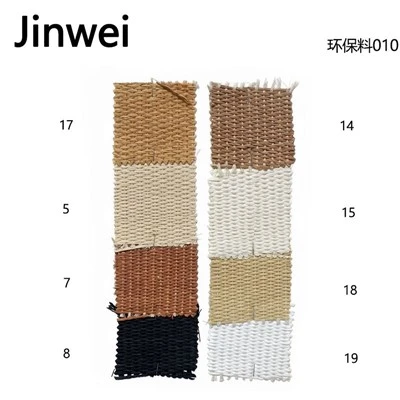
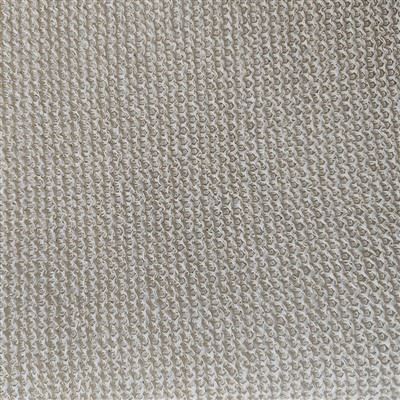
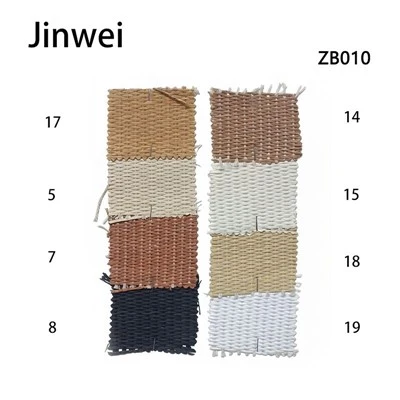
If you are interested in our PP woven cloth products, including PP Woven Sack Fabric, PP Crocheted Fabric, Decorative Mesh Fabric, Wave - Pattern PP Woven Fabric, and PP Knitted Colorful Fabric, please feel free to contact us for a detailed discussion on your requirements. We look forward to the opportunity to serve you and contribute to your business success.
References
- "Polypropylene: Properties, Processing, and Applications" by Xan Thomas
- "Textile Manufacturing Technologies" by John Smith
- Industry reports from leading textile research institutions