
Hey there! As a supplier of Wave - Pattern PP Woven Fabric, I often get asked if this type of fabric is UV resistant. So, let's dive right into it and explore the world of Wave - Pattern PP Woven Fabric and its ability to withstand the sun's harmful UV rays.
What is Wave - Pattern PP Woven Fabric?
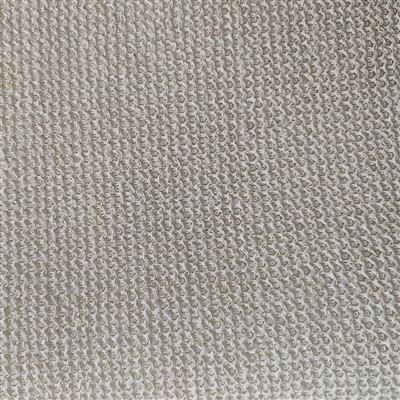
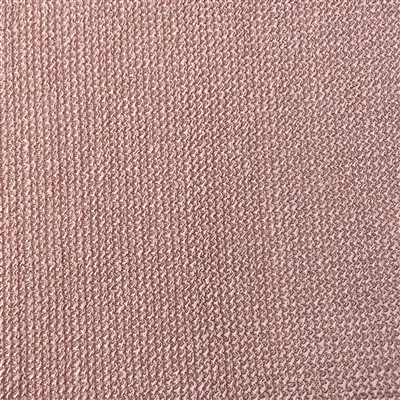
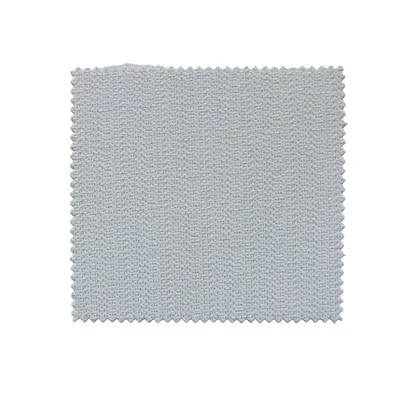
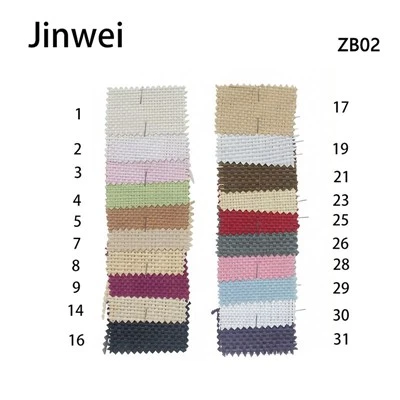
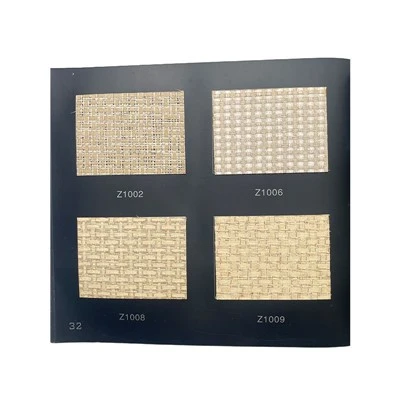
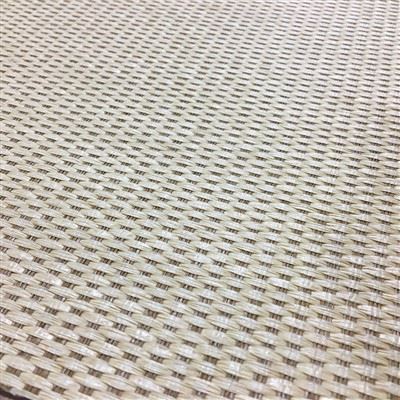
First off, let's quickly run through what Wave - Pattern PP Woven Fabric is. It's a type of polypropylene (PP) fabric woven in a wave - like pattern. This fabric is known for its durability, flexibility, and versatility. It has a wide range of applications, from packaging materials to decorative items. You can check out more details about it on our website: Wave - Pattern PP Woven Fabric.
The Importance of UV Resistance
UV resistance is crucial, especially for fabrics that are going to be used outdoors. The sun emits ultraviolet (UV) radiation, which can cause damage to materials over time. When a fabric is exposed to UV rays for extended periods, it can lead to fading, weakening of the fibers, and a reduction in the fabric's overall lifespan. For example, if you use a non - UV resistant fabric for outdoor banners or covers, you'll notice that the colors start to look dull and the fabric becomes brittle within a short period.
Understanding the UV Resistance of Wave - Pattern PP Woven Fabric
Now, the big question: Is Wave - Pattern PP Woven Fabric UV resistant? Well, the answer isn't a simple yes or no. It depends on several factors.
1. Additives
One of the main ways to make PP woven fabric UV resistant is by adding special UV stabilizers during the manufacturing process. These stabilizers act as a shield, absorbing and dissipating UV radiation before it can damage the fabric's fibers. When we produce our Wave - Pattern PP Woven Fabric, we have the option to include these additives. So, if you order the UV - resistant version of our fabric, you can be sure that it has been fortified to handle the sun's rays.
2. Thickness
The thickness of the fabric also plays a role in its UV resistance. Generally, thicker Wave - Pattern PP Woven Fabric provides better protection against UV rays. Thicker fabrics have more material to absorb and block the UV radiation, which means less damage to the underlying fibers. However, keep in mind that a thicker fabric might not always be the most practical option, depending on your specific application.
3. Weave Density
The density of the weave in the fabric affects its UV resistance as well. A tighter weave means that there are fewer gaps for the UV rays to pass through. Our Wave - Pattern PP Woven Fabric can be produced with different weave densities, and we can recommend the most suitable one for your UV - related needs.
Testing the UV Resistance
We don't just claim that our fabric is UV resistant; we put it to the test. We conduct various tests on our Wave - Pattern PP Woven Fabric to ensure its quality and UV protection capabilities. These tests simulate long - term exposure to sunlight, and we measure factors like colorfastness and strength retention over time. Based on the test results, we can provide you with accurate information about how well our fabric will perform under real - world conditions.
Comparing with Other PP Fabrics
Let's take a quick look at how Wave - Pattern PP Woven Fabric compares to other types of PP fabrics in terms of UV resistance.
PP Woven Sack Fabric
PP Woven Sack Fabric is commonly used for packaging. Similar to Wave - Pattern PP Woven Fabric, it can also be made UV resistant with the right additives. However, the wave pattern in our fabric can sometimes offer better light dispersion, which might contribute to slightly better UV protection in certain scenarios.
PP Knitted Fabric
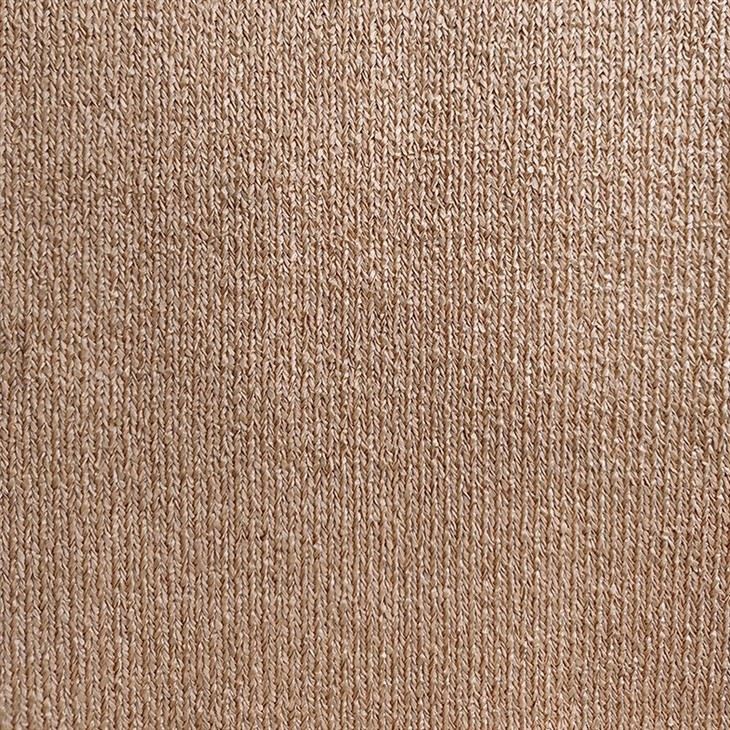
PP Knitted Fabric has a different structure compared to the woven fabric. Knitted fabrics generally have more stretch but can be more prone to UV damage because of their open - loop structure. Our Wave - Pattern PP Woven Fabric typically offers better UV resistance, especially when it comes to long - term outdoor use.
PP Knitted Colorful Fabric
PP Knitted Colorful Fabric is often used for decorative purposes. While it can be made colorful, the dyes used in it can sometimes be more sensitive to UV rays. Our UV - resistant Wave - Pattern PP Woven Fabric can maintain its color and integrity better in outdoor environments.
Decorative Mesh Fabric
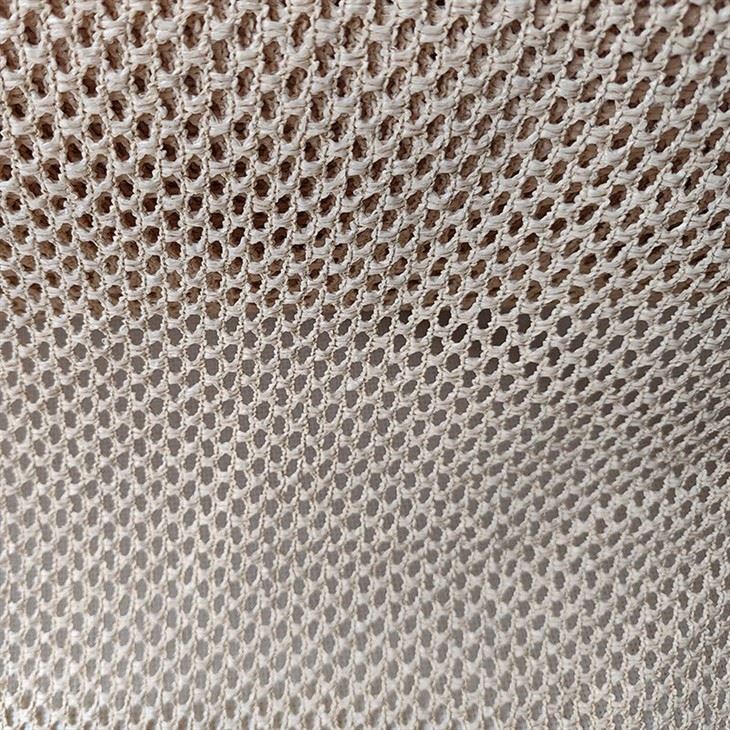
Decorative Mesh Fabric has a mesh - like structure, which means it has more openings. These openings allow more UV rays to pass through, making it less UV resistant compared to our Wave - Pattern PP Woven Fabric, especially when a high level of protection is required.
Applications of UV - Resistant Wave - Pattern PP Woven Fabric
The UV - resistant version of our Wave - Pattern PP Woven Fabric has a bunch of useful applications:
Outdoor Banners
Whether it's for advertising, events, or presentations, our fabric can withstand the sun's rays without losing its color or strength. This means your banners will look great for longer periods.
Garden Covers
Protect your plants from the intense sun with our UV - resistant fabric. It can also be used to cover garden furniture, ensuring that they stay in good condition.
Marine Applications
On boats or near the sea, where the sun is strong and the environment is harsh, our fabric can be used for covers, sails (in some cases), and other accessories.
Contact Us for Your Needs
If you're in the market for Wave - Pattern PP Woven Fabric, especially the UV - resistant version, we'd love to hear from you. Whether you have questions about the fabric, need samples, or want to discuss a large - scale order, we're here to help. Don't hesitate to reach out, and let's start a conversation about how our fabric can meet your specific requirements.
References
- Textile Testing Handbook, Third Edition, by A. K. Roy
- Polypropylene Fibers: Science and Technology, by V. S. Breslin